What Is DNS in Physiotherapy?
Dynamic Neuromuscular Stabilization (DNS) is a diagnostic and rehabilitation framework built on developmental kinesiology, how a healthy infant's nervous system learns to stabilize, move, and control posture during the first year of life.
A Functional Clinical Lens, Not A Fixed Exercise List
DNS is not a fixed technique or a list of exercises. It is a clinical lens, a way of assessing how well a patient's nervous system stabilizes the spine and joints during movement, compared against ideal, neurologically healthy patterns seen in infant motor development.
Instead of treating an isolated joint or muscle in isolation, DNS evaluates the entire kinetic chain and its underlying motor control. When the stabilizing system is inefficient, the body compensates, producing pain and dysfunction far from the original source.
Integrated Spinal Stabilization
The coordinated action of the diaphragm, pelvic floor, and deep abdominal wall working together to regulate intra-abdominal pressure and support the spine before any limb movement occurs.
Read MoreDevelopmental Kinesiology
Built on the study of how movement patterns emerge predictably in a child during the first year of life as a template of ideal adult movement.
Read MoreEntire Kinetic Chain Evaluation
A functional approach that traces underlying motor control across the entire kinetic chain rather than treating painful joint sites in isolation.
Read MoreNervous System Motor Control
Targets the central nervous system to re-establish efficient motor control programs, rather than simply strengthening muscles in isolation.
Read MoreThe Origins of DNS: Prague School Pioneers
Established in the decades following World War II within the Prague School of Rehabilitation and Manual Medicine, DNS was reshaped by visionary clinicians who revolutionized 20th-century rehabilitation science.
Prof. Karel Lewit
Pioneer of manual medicine and functional spinal diagnosis.
Prof. Vladimir Janda
Pioneer of muscle imbalance syndromes & motor control.
Prof. Václav Vojta
Developer of reflex locomotion & developmental kinesiology.
Prof. František Vele
Neurophysiologist and key contributor to Prague School theory.
Prof. Pavel Kolar
Charles University, Prague
Organizing Kinesiology into a Clinical System
A physiotherapist by training, Professor Pavel Kolar trained under Lewit, Vojta, and Janda. He currently directs the Rehabilitation Department at University Hospital Motol, Charles University, Prague, where he organized developmental kinesiology into the structured clinical framework known worldwide as DNS.
Core Principles of the Pavel Kolar DNS Method
The Pavel Kolar DNS method rests on a small number of core principles that guide every assessment and treatment strategy:
Compare, Don't Assume
A patient's posture and stabilization strategy is compared against developmental models of neurologically healthy infants to identify precisely where the movement pattern breaks down.
Stabilize Before You Move
Efficient movement depends on the diaphragm, pelvic floor, and deep abdominal wall stabilizing the spine before any limb moves, not after.
Follow the Kinetic Chain
Symptoms often appear far from the actual site of dysfunction; DNS reasoning traces the chain systematically rather than treating the painful area in isolation.
Train the Nervous System, Not Just Muscle
The primary goal is to re-establish efficient central motor control programs in the brain, not simply to strengthen an isolated muscle group.
Why Developmental Milestones Matter
Developmental milestones, rolling, reaching, crawling, standing, are not just paediatric markers. Each one represents a specific, neurologically-programmed stabilization strategy used as a diagnostic and rehabilitative template for patients of every age, from elite athletes to post-surgical spine patients.
1. Rolling
Initial sagittal stabilization & trunk rotation control.
2. Reaching
Supportive shoulder girdle & pelvic stabilization.
3. Crawling
Quadruped locomotion & diagonal movement patterns.
4. Standing
Upright gait, axial loading & dynamic joint centration.
DNS India Training & Clinical Insights



Why DNS Matters in Physiotherapy: Key Modules
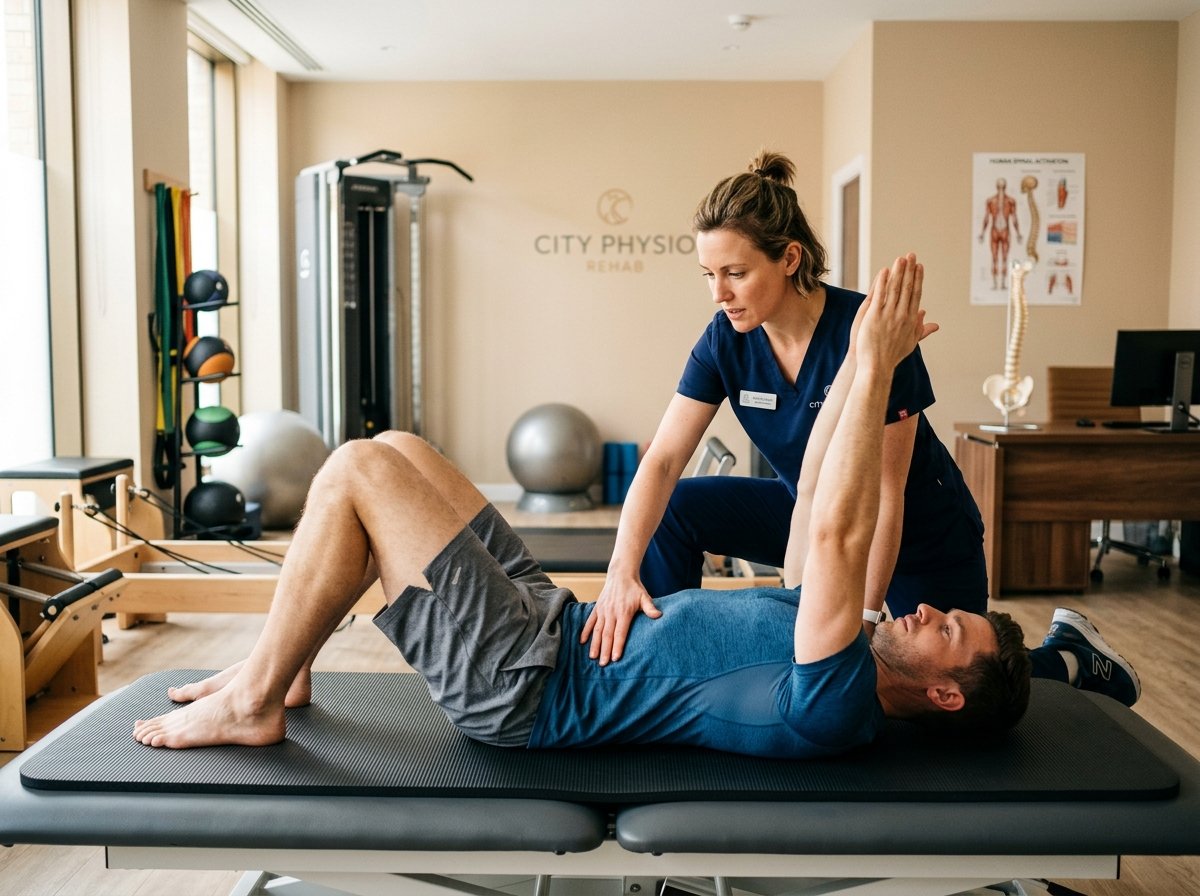
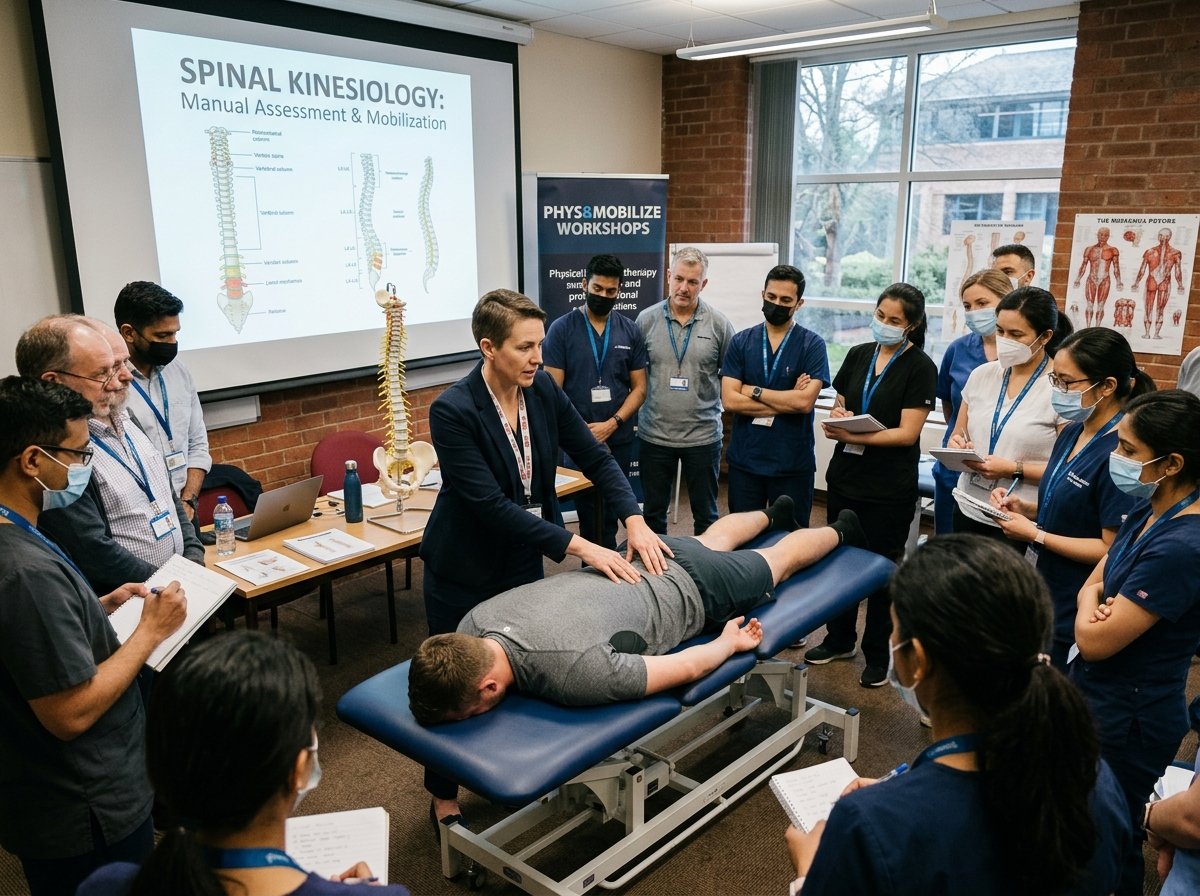
For physiotherapists, doctors, and sports-medicine practitioners, DNS offers a way to address the root cause of dysfunction rather than only its symptoms. Explore Prague School certified DNS India courses:
Chronic & Recurrent Low Back and Neck Pain
Addressing spinal instability through diaphragm, pelvic floor, and intra-abdominal pressure regulation.
Sports Injury Prevention & Performance
Optimizing dynamic joint centration & kinetic chain power output for elite athletes.
Post-Surgical & Orthopaedic Rehabilitation
Restoring motor control programs after spine, hip, knee, or joint surgery.
Paediatric Neurodevelopmental Assessment
Evaluating neurological motor development sequences and pediatric movement strategies.
Plateaued Structural Cases & Kinetic Chain
Diagnostic reasoning for complex cases where pain site and true dysfunction location differ.
Prague School Certified DNS Practitioner Diploma
Comprehensive instructor-led certification diploma program across India.
How to Register
Simple step-by-step enrollment process for upcoming DNS India certification courses.
Enquire
Submit your details via the Contact page or registration form
Confirm your seat
Secure your place with the required registration deposit
Receive pre-course material
Study material shared ahead of the course
Attend the course
Lecture + hands-on lab sessions across the full course duration
Receive your certificate
Issued on successful completion